February 26, 2026
Dogs are beloved family members, and their emotional and physical well-being deserves thoughtful attention. As modern schedules grow busier, many pet owners look for reliable ways to ensure their companions receive consistent engagement, interaction, and supervision. Dog daycare has become the preferred solution for families who want their pets to enjoy meaningful social experiences while maintaining a predictable daily routine.
By combining structured activities with supervised play, daycare for dogs offers more than simple supervision. It creates an environment where dogs can build confidence, practice appropriate behaviors, and follow a steady schedule that supports long-term health. Understanding how these programs promote socialization and structure helps owners make informed decisions that enrich their dogs’ lives.
Recognize the Importance of Canine Socialization
Dogs are naturally social animals that thrive on interaction with others. Without regular exposure to different environments, people, and fellow dogs, they may develop anxiety, fear-based reactions, or difficulty adjusting to change. Consistent social opportunities allow them to read body language, respond appropriately to cues, and build healthy communication habits. For many families, daycare provides an accessible way to meet these core social needs in a safe and supervised setting.
The value of social development is widely acknowledged among pet owners. According to Rover’s annual pet parent survey, more than 60% of dog owners identify socialization as a leading reason for enrolling their pets in daycare programs. This reflects a growing understanding that positive peer interaction is not a luxury but a key component of a dog’s behavioral health.
While home environments provide love and security, they often lack the diversity of interactions necessary for well-rounded development. Limited exposure to unfamiliar dogs or new stimuli can leave pets unsure of how to respond in public settings. Structured daycare bridges that gap by introducing dogs to varied personalities and controlled challenges that build adaptability and confidence.
Over time, consistent social engagement reduces the likelihood of fear-driven behaviors and promotes emotional balance. Dogs that regularly interact with peers tend to approach new experiences with curiosity instead of hesitation. By prioritizing safe socialization, dog daycare supports a calmer temperament that benefits both pets and their families.
Encourage Positive Social Skills Through Supervised Play
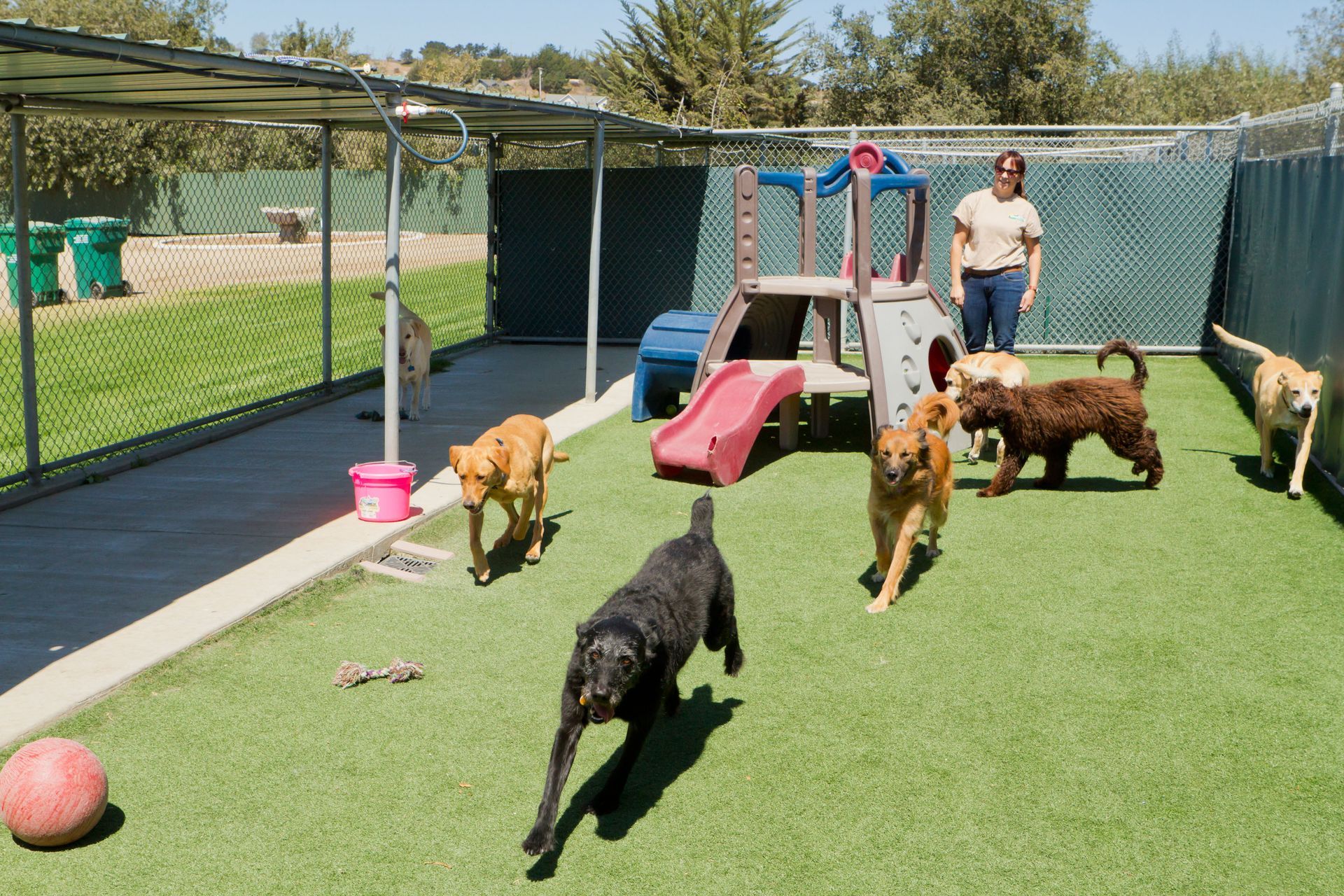
A well-managed dog daycare environment emphasizes safety and thoughtful group dynamics. Trained staff carefully monitor playgroups to ensure interactions remain respectful and enjoyable, observing body language and energy levels to keep play balanced. Dogs are typically grouped by size, temperament, and play style so that each participant feels comfortable and supported. This level of oversight allows dogs to explore boundaries, practice sharing space, and learn appropriate play styles without unnecessary stress. By maintaining clear structure and supervision, daycare professionals create an atmosphere where positive behavior is consistently encouraged.
Exposure to dogs of different sizes, breeds, and temperaments teaches valuable communication skills that cannot easily be replicated at home. Through repeated interaction, dogs become more adept at interpreting signals such as posture, vocalization, facial expression, and movement. They learn when to initiate play, when to pause, and when to disengage respectfully. These lessons extend beyond daycare walls, helping dogs remain composed during walks, vet visits, grooming appointments, and neighborhood encounters. As a result, dogs often display improved adaptability and greater ease in unfamiliar social settings.
Structured activities also play a significant role in reinforcing social growth. Organized games and guided play sessions encourage cooperation, patience, and turn-taking, while still allowing dogs to express their natural energy in healthy ways. Activities may include group fetch, scent exploration, or basic obedience refreshers woven into playtime. Within daycare, these experiences are carefully balanced with rest breaks to prevent overstimulation and maintain a positive atmosphere. This rhythm of activity and downtime helps dogs stay engaged without becoming overwhelmed.
When minor conflicts arise, attentive staff intervene promptly and calmly to redirect attention and restore harmony. Immediate redirection prevents escalation and reinforces constructive behavior, showing dogs how to reset and continue interacting appropriately. Over time, this consistent guidance builds confidence and teaches dogs that social situations can be predictable and safe. With reliable leadership and fair boundaries in place, dogs develop stronger self-control and a deeper sense of security in group environments.
Establish Consistent Daily Routines
Beyond social benefits, routine is essential to a dog’s sense of security. Predictable schedules reduce uncertainty and help dogs understand what to expect throughout the day. Dog daycare programs are designed with intentional structure, incorporating set times for play, rest, and nourishment to create a balanced rhythm.
Regular activity periods provide healthy outlets for energy, while scheduled downtime prevents exhaustion. This thoughtful pacing supports emotional regulation and minimizes hyperactivity. When dogs know that both excitement and relaxation are built into their day, they are less likely to develop stress-related behaviors.
Consistent reinforcement of basic commands during group activities further strengthens good habits. Repetition in a social context improves responsiveness and listening skills, even when distractions are present. Over time, this consistency translates into improved behavior at home.
Adaptability is another advantage of structured programming. Dogs accustomed to predictable yet varied routines are better prepared to handle changes in their environment. By maintaining steady patterns within daycare, facilities help pets develop resilience that carries into other areas of life.
Observe Meaningful Behavioral Improvements
Many owners notice positive changes after enrolling their pets in dog daycare. One common improvement is a reduction in separation-related stress. Spending time in a stimulating group environment helps dogs associate time away from home with positive experiences rather than isolation.
Enhanced manners often follow regular attendance. Through ongoing interaction and gentle correction, dogs refine impulse control and practice polite behavior. Observing and engaging with well-mannered peers reinforces desirable habits in a natural and supportive way.
Increased social confidence is another meaningful outcome. Dogs that once appeared timid may gradually approach new companions with curiosity. Repeated positive interactions build self-assurance, allowing them to navigate unfamiliar situations more comfortably.
Destructive behaviors driven by boredom frequently decline as well. With ample physical activity and mental engagement throughout the day, dogs return home satisfied and ready to rest. This balance contributes to a more peaceful household and strengthens the bond between pets and their families.
Partner With Experienced Care Providers
The effectiveness of dog daycare depends greatly on knowledgeable staff and thoughtfully designed facilities. Experienced caregivers understand canine body language and group management, allowing them to tailor interactions to each dog’s temperament. Their presence ensures that play remains constructive and aligned with each pet’s comfort level.
Purpose-built spaces further enhance the experience. Designated areas for active play and quiet rest help maintain harmony throughout the day. Cleanliness protocols and health requirements protect the well-being of every participant, giving owners added reassurance.
Open communication between caregivers and families supports continued progress. Regular updates on behavior, milestones, and social interactions allow owners to remain engaged in their dog’s development. This collaborative approach ensures that the benefits of daycare extend beyond the facility itself.
When selecting a provider, evaluating routines, supervision practices, and overall atmosphere is essential. A carefully chosen program offers both social enrichment and dependable structure, creating a foundation for lifelong well-being.
Dog daycare is a powerful tool for nurturing confident, balanced, and socially capable companions. By combining guided interaction with steady daily routines, it addresses both emotional and behavioral needs in a comprehensive way. Families who invest in consistent, high-quality care often see lasting improvements that enhance life at home and in the community. If you are ready to support your dog’s growth through enriching experiences and dependable structure, contact us at Sandy Pawz Dog House today. We will help your pet thrive through our dedicated dog daycare program.